Your Exclusive 10% Gift Awaits
Enjoy 10% off your order—our way of saying welcome! Use code PROHEALTH42 at checkout to unlock instant savings and start exploring our collection today.

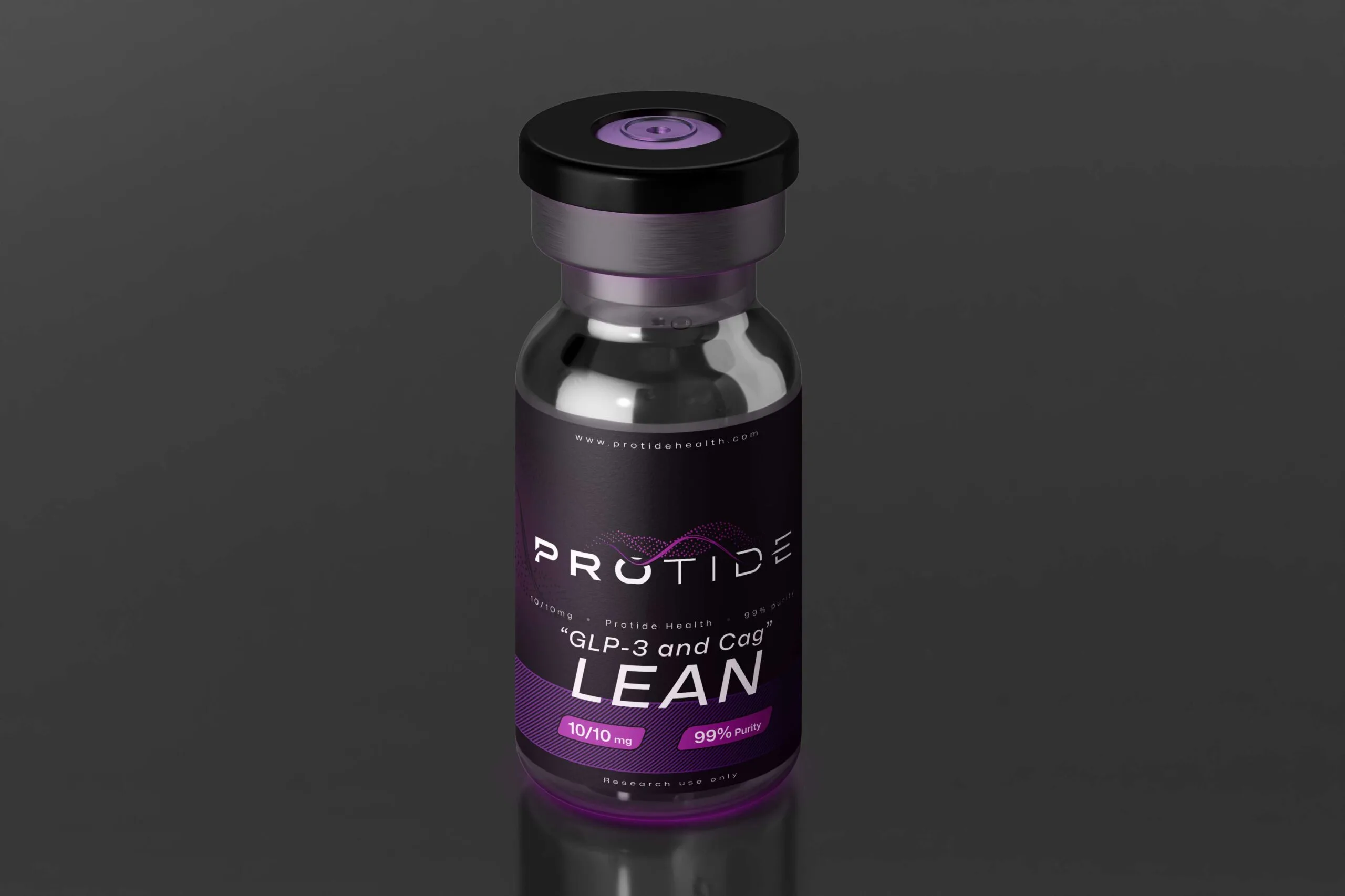
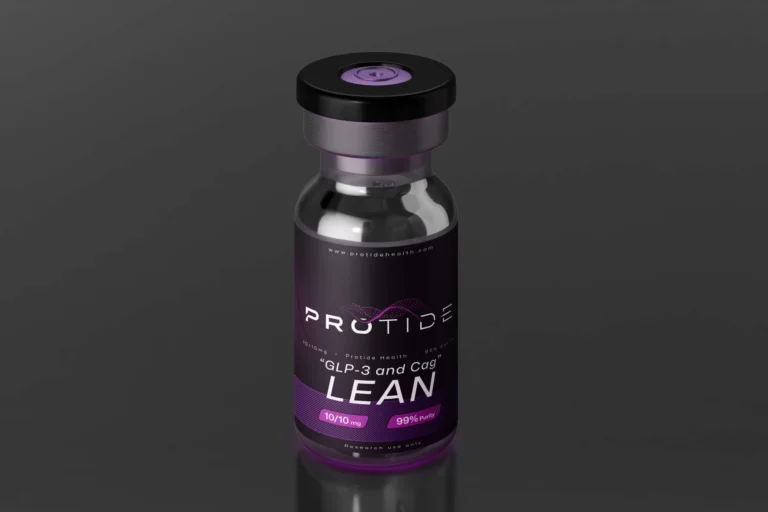
If you have been following the rapidly evolving landscape of metabolic research, you’ve likely noticed a shift toward combination therapies. The scientific community is moving away from “single-target” approaches in favor of synergistic blends that address physiological plateaus.
In this guide, we will explore the mechanisms behind the GLP-3 and Cagrilintide combination, explain why researchers are prioritizing high-purity Protide Health peptides, and provide a clear framework for understanding how these compounds interact within the body’s metabolic pathways. Whether you are a dedicated researcher or a wellness enthusiast looking for deep-dive information, this article clarifies the science behind the hype.
To understand the power of a blend, we must first look at the individual ingredients. While the term “GLP-3” is often used in research circles to describe advanced iterations of glucagon-like peptides (or specific proprietary blends focused on metabolic health), its core function remains rooted in the incretin system.
Glucagon-like peptide analogs mimic a hormone naturally produced in the gut. Their primary roles include:
Cagrilintide is a long-acting amylin analogue. Amylin is a hormone co-secreted with insulin by the pancreas. While GLP-based peptides primarily target the gut-brain axis, Cagrilintide works through distinct pathways to regulate energy intake and signal fullness. By mimicking amylin, it provides a secondary layer of appetite control that operates independently of the incretin system.
The primary reason researchers are looking at the GLP-3 and Cagrilintide blend is to overcome the “plateau effect.” In clinical settings, the body often adapts to a single peptide over time. By introducing a second mechanism—Cagrilintide—the body receives two different “stop eating” signals simultaneously.
When used together, these peptides target two different sets of receptors. This “dual-agonist” approach means the metabolic system is being optimized from multiple angles. For instance, while one compound focuses on blood sugar stability, the other focuses on the physical sensation of fullness.
Many individuals find that after several months on a standard GLP-1 protocol, their progress stalls. Research published in The Lancet suggests that combination therapies involving amylin analogues can produce more significant results than monotherapy because they prevent the body’s compensatory hunger mechanisms from kicking in.
Combining compounds can sometimes allow for lower doses of each individual peptide. This is a crucial strategy for researchers looking to minimize potential gastrointestinal discomfort while maintaining high efficacy.
In the peptide world, purity is everything. When you are researching complex blends like the GLP-3, protide enthusiasts often emphasize the need for stringent third-party testing. Protide Health peptides have gained a reputation for consistency because they prioritize the stabilization of the peptide chain.
A common mistake in the industry is purchasing “cheap” blends that degrade quickly. Peptides are fragile sequences of amino acids; if the lyophilization (freeze-drying) process isn’t perfect, the peptide can lose its potency before it even reaches your door.
Pro Tip: Always look for a Certificate of Analysis (COA) that shows a purity level of 99% or higher. For those looking to study these specific interactions, exploringoptions designed for metabolic researchensures that the variables in your data remain controlled and accurate.
If you are documenting the effects of a GLP-3 and Cagrilintide blend, it is important to understand the standard research frameworks.
Proper handling is the first step in maintaining peptide integrity:
Researchers tracking these blends typically monitor three key metrics:
For those interested in the broader context of how these peptides are synthesized and distributed, visiting high-authority resources like The C-Peptide Store can provide additional technical background on the manufacturing standards required for these complex molecules.
No metabolic intervention is without its challenges. The most commonly reported issues with GLP-based blends include nausea, fatigue, and occasional digestive upset.
| Feature | Standard GLP-1 | GLP-3 / Cagrilintide Blend |
| Primary Mechanism | Incretin Mimetic | Dual-Pathway (Incretin + Amylin) |
| Satiety Level | Moderate to High | Intense / Prolonged |
| Plateau Risk | Higher after 6 months | Lower due to dual signaling |
| Research Utility | Foundational | Advanced / Cutting-edge |
For a deeper look into the differences between these generations of molecules, you can browse Protide Health’s full GLP selection to see how different formulations target specific metabolic goals.
“Better” depends on your goals. For those who have reached a weight-loss plateau or require more significant glycemic control, the blend is generally considered more effective. However, for beginners, a single-compound peptide like Cagrilintide alone may be preferred to assess tolerance.
In most research settings, metabolic changes (such as improved glucose markers) are visible within the first 2 weeks, while significant changes in body composition typically require 8–12 weeks of consistent protocol adherence.
It is highly discouraged. Different manufacturers use different fillers and stabilization methods. To maintain the integrity of your research, it is best to stick with a single, trusted source like Protide Health.
The combination of GLP-3 and Cagrilintide represents a significant leap forward in peptide science. By addressing both the gut’s incretin response and the pancreas’s amylin signaling, this blend offers a comprehensive approach to metabolic health that single-target peptides simply cannot match.
If you are ready to explore the highest quality options for your research, explore the Protide Health collection to find laboratory-grade peptides backed by rigorous testing.